
Oak Creek, WI · Garage Door Service
Garage Door Maintenance for Muskego's Late-1980s Housing Stock
Muskego homes mostly date to 1987, later than much of the service area. We drive the 12 miles from Oak Creek to maintain original springs, openers, and hardware before they fail.
- Repairs & new doors
- Springs & openers
- Serving 6 nearby communities
How We Fix It
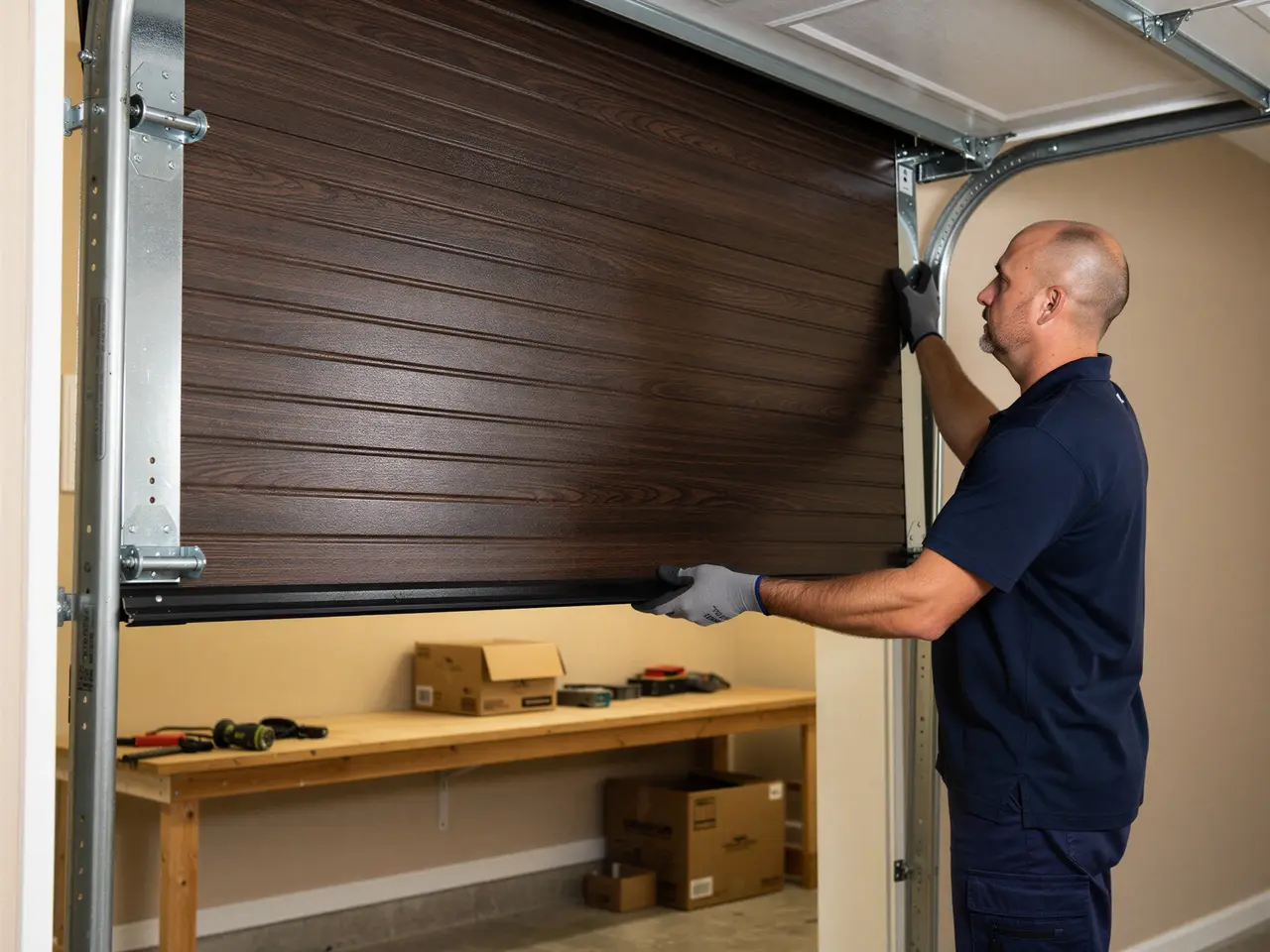
We drive out from Oak Creek, 12 miles up to Muskego, with a maintenance visit built around what a mid-1980s door actually needs. That means checking torsion spring wind and cycle wear, since a spring installed around 1987 is well past the point where most of its coil life is spent even if it's never broken. We lube the track and rollers, check cable fray at the drum, and test the opener's force settings and safety reversal, which on units from that era were rarely revisited after the day they went in. We tighten the lag screws on the header bracket, which loosen over decades of door cycles and are one of the quieter causes of a door that suddenly starts sagging on one side. None of this is a rebuild. It's the half-hour of attention that keeps a 35-plus-year-old setup from becoming an emergency call. If a part is too far gone to service, we tell you that on the spot rather than patch it and have it fail again in six months.
What You Are Seeing
If your door is original to the house, built around 1987, you're likely dealing with a spring that has never been replaced, an opener that's on borrowed time even if it still works, and hardware that was spec'd for a lighter door than some owners have since added insulation panels to. Common signs: a door that hesitates or reverses partway down, a grinding noise from the opener when it's cold, a cable that looks more rust than wire where it meets the bottom bracket. None of these mean you need a new door. Most mean a maintenance visit catches something before it becomes a stuck door at 6 a.m. with the car trapped inside.
The Complications
Muskego's housing stock sits later than much of the wider service area, where the median build year runs closer to 1967. That's good news in one sense: less of what we see here is the original steel from the 1960s that's genuinely brittle. But it creates its own problem. A lot of 1980s-era openers used chain-drive mechanisms and control boards that are no longer made, so when a logic board fails, the fix is often a full opener swap rather than a part. Springs from that same build window were sized to the door weight at install, and if an owner since added a heavier insulated door or a tandem opener upgrade without re-checking spring size, the hardware is working harder than it was built for. We flag that mismatch during maintenance rather than waiting for the spring to let go.
Doing It Yourself
You can and should do some of this yourself. Visually check the cables for fraying, listen for new noises, and keep the tracks free of dust and leaves, especially given how far winter weather can swing here. What you shouldn't touch is the torsion spring itself. A spring under tension that's original to a 1987 install has had decades to accumulate fatigue you can't see from the outside, and the force it releases when it lets go is enough to break bones. Leave spring adjustment, cable replacement, and opener force-setting changes to someone who does it regularly.
Why It Happens Here
The climate band here runs cold, with the kind of temperature swing that stiffens lubricant and steel the same as it does across the rest of the service area. On a door with original hardware, that seasonal contraction and expansion is what finally works a worn roller out of its track or finds the one frayed strand in an aging cable. Add in Muskego's household income, which at a median of $116,361 runs well above the wider service area's $91,053, and we see a different pattern than in older, denser suburbs: more owners who've added insulated doors, keypad entry, or smart openers onto original 1980s track and spring hardware never upgraded to match. That mismatch, not just age alone, is what drives a lot of the maintenance calls we get from this side of the service area.
Parts We Carry
We stock common roller, cable, and hinge replacements on the truck, along with standard torsion springs sized for residential doors from that late-1980s era. What we don't carry are obsolete opener control boards specific to discontinued 1980s models; if that's the failure, we'll tell you upfront that it means a full opener replacement rather than a repair, and we won't pretend otherwise just to get a part on the invoice. For anything unusual, we'll give you a straight answer on lead time before we start, not after.
Frequently asked questions
Is my garage door's hardware still original if my Muskego house was built in the late 1980s?
Likely, yes, especially the spring and the header bracket, since those often outlast a first opener. An unreplaced torsion spring from an original 1987 install is well into its fatigue life even if it's never broken. We check wind and wear during a maintenance visit rather than guessing by age alone.
Do you have a branch in Muskego?
No. We're based in Oak Creek and drive the 12 miles out to Muskego for service calls and maintenance visits. There's no local depot here, just a truck that comes when you book.
How often should a door from the 1980s get maintenance?
Once a year is reasonable for most doors this age, more often if you've noticed new noise, hesitation, or visible cable wear. The goal is catching spring fatigue or a loosening bracket before it turns into a stuck door or a snapped cable.
Will you tell me if my door needs replacing instead of maintenance?
Yes. If the opener's control board is obsolete or the door itself is too far gone to justify more parts, we say so rather than running up a bill on patch repairs that won't hold.
Book garage door service in Oak Creek
Call now or request a quote - tell us what the door is doing and where you are.